DC Health and Academic Prep Program (DC HAPP)
DC HAPP is a pipeline program coordinated by the George Washington University School of Medicine and Health Sciences Office of Diversity and Inclusion to increase access to healthcare careers and foster diversity in the medical field. Sixteen rising 11th- and 12th-grade students attending Washington, D.C. area public schools are selected to participate in this program based on their passion and potential for medicine. Students participate in a four-week summer experience and clinical shadowing.
DC HAPP scholars gain exposure to healthcare professions, learn hands-on medical skills, develop public health projects, and prepare for college applications and college life. Medical and public health students, physicians, and other medical professionals serve as mentors, facilitators, and teachers.
-
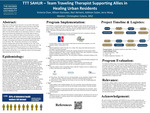
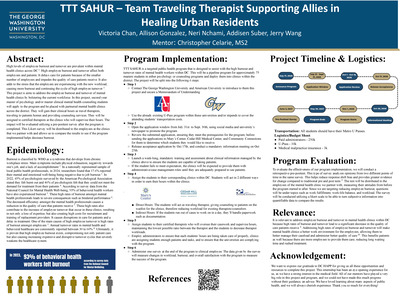
TTT SAHUR- Team Traveling Therapist Supporting Allies in Health Urban Residents
Victoria Chan, Allison Gonzalez, Neri Nchami, Addisen Suber, Jerry Wang, and Christopher Celarie
High levels of employee burnout and turnover are prevalent within mental health clinics across DC 1. High employee burnout and turnover affect both employees and patients. It delays care for patients because of the smaller number of employees and impedes the quality of care patients receive. It also adds to the stress that the employees are experiencing with the new workload, causing more burnout and continuing the cycle of high employee turnover 2 . This project is aims to address the employee burnout and turnover of mental health clinics by bolstering the current workforce. In this project, second year master of psychology and/or master clinical mental health counseling students will apply to the program and be placed with partnered mental health clinics across the district. They will gain their clinical hours as travel therapists, traveling to patients homes and providing counseling services. They will be assigned to certified therapists at the clinics who will supervise their hours. The impact will be evaluated utilizing a pre-posttest survey after the program is completed. This Likert survey will be distributed to the employees at the clinics that we partner with and allows us to compare the results to see if the program implemented helps decrease burnout.
-
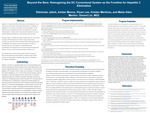
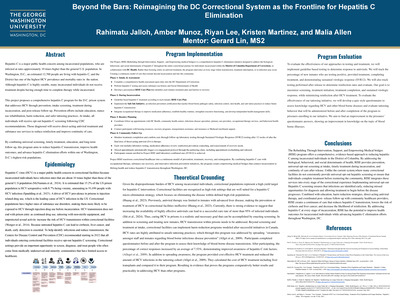
Beyond the Bars: Reimagining the DC Correctional System as the Frontline for Hepatitis C Elimination
Rahimatu Jalloh, Amber Munoz, Riyan Lee, Kristen Martinez, Malia Allen, and Gerard Lin
Hepatitis C is a major public health concern among incarcerated populations, who are infected at rates approximately 10 times higher than the general U.S. population. In Washington, D.C., an estimated 12,700 people are living with hepatitis C, and the District has one of the highest HCV prevalence and mortality rates in the nation. Although hepatitis C is highly curable, many incarcerated individuals do not receive treatment despite having enough time to complete therapy while incarcerated.
This project proposes a comprehensive hepatitis C program for the D.C. prison system that addresses HCV through prevention, intake screening, treatment during incarceration, and post-release follow-up. Prevention efforts include education, stance use rehabilitation, harm reduction, and safer tattooing practices. At intake, all individuals will receive opt-out hepatitis C screening following CDC recommendations. Those diagnosed will receive direct-acting antiviral treatment and substance use services to reduce reinfection and improve continuity of care.
By combining universal screening, timely treatment, education, and long-term follow-up, this program aims to reduce hepatitis C transmission, improve health outcomes, and advance hepatitis C elimination efforts within one of Washington, D.C.’s highest-risk populations.
-
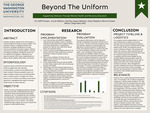
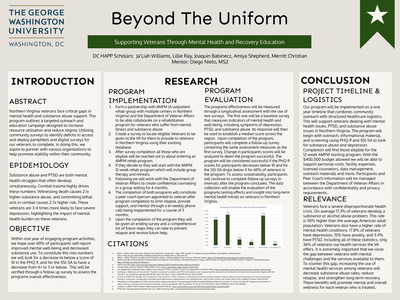
Beyond the Uniform: Supporting Veterans Through Mental Health and Recovery Education
Ja'Liah Williams, Lillie Ray, Joaquin Babinecz, Amiya Shepherd, Merritt Christian, and Diego Nieto
Northern Virginia veterans face critical gaps in mental health and substance abuse support. This program outlines a targeted outreach and education campaign designed to increase resource utilization and reduce stigma. Utilizing community surveys to identify deficits in access and deploy pamphlets and digital surveys for our veterans to complete. In doing this, we aspire to partner with various organizations to help promote stability within their community.
-
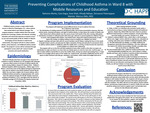
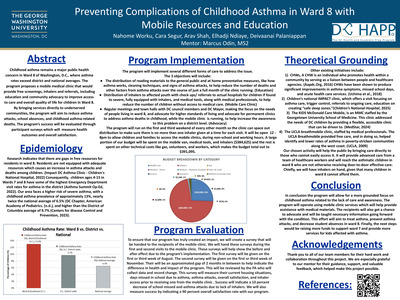
Preventing Complications of Childhood Asthma in Ward 8 with Mobile Resources and Education
Nahome Worku, Cara Segur, Arav Shah, Elhadji Ndiaye, Deivaanai Palaniappan, and Marcus Odin
Childhood asthma remains a major public health concern in Ward 8 of Washington, D.C., where asthma rates exceed district and national averages. The program proposes a mobile medical clinic that would provide free screenings, inhalers and referrals, including education and community advocacy to improve access to care and overall quality of life for children in Ward 8.
By bringing services directly to underserved communities, the program will aim to reduce asthma attacks, school absences, and childhood asthma-related deaths. The program’s success will be evaluated through participant surveys which will measure health outcomes and overall satisfaction.
-

Better Together: Improving Youth Mental Health Through DV Intervention
Melanie Alvarez, Rajan Bell, Katie Lopez Vasquez, Caleb Oppong, and Zori Cooper
Domestic Violence, forms of abuse that occur at home, significantly and negatively impacts the long-term physical, emotional, and mental health of those who experience and witness it. Child victims face a harder time coping with their trauma as they lack access to supportive resources, the autonomy to utilize those resources, and not knowing there are available support systems in the first place. And in socio-economically disadvantaged areas in D.C. like Wards 7 & 8, the gap in access is even greater. To address this disparity, we’ve developed Better Together: a peer mentorship program focusing on supporting child victims of domestic violence in Wards 7 & 8. Our trauma-intervention model of peer support, emotionally-enriching activities, and a website for further outreach and resource access is aimed at improving the psychological and emotional health of marginalized child victims.
Domestic Violence, including verbal, physical, psychological, and sexual abuse that occurs between caregivers at home, is classified as a violent crime (What Is Domestic Violence, 2024). The highest rates of violent crime are shown to occur in Wards 7 and 8, and in 2025 they’ve disproportionately contributed to 32% of all violent crimes across the city (Metropolitan Police Department, 2025). Additionally, Wards 7 and 8 are both majority Black districts that contain the highest rates of families living in poverty at 19.48% and 19.26% respectively; these areas also have the lowest income averages across the city at $57,940 and $50,855 respectively (Matters, 2025). A lack of income, household stability, and neighborhood safety are social determinants of health (non-medical factors) that significantly increase the likelihood of domestic violence occurring at home (CAWC, 2024).
Between 3 and 10 million adolescents witness and/or experience domestic violence directly at home each year (AACAP, 2019). While known to negatively impact those who witness it, many don’t realize its true damaging effect on the mental health of children. Children who witness their mother being abused often develop ulcers, and suffer from sleep issues, depression, and extreme anxiety (Metropolitan Police Department, n.d.). Child victims and witnesses may also become behaviorally challenged, with many showing signs of increased aggression, difficulty concentrating, destructive behavior, lying, and substance abuse (State of Michigan, 2015). These adverse effects ultimately harm the long-term health and development of children, and contribute to a perpetual cycle of violence; The Metropolitan Police Department that “A boy from a home where his mother is abused is 74% more likely to commit a violent act,” (n.d.). With this in mind, we’ve created Better Together: a peer mentorship program meant to intervene in the lives of children experiencing DV at home, and helping them grow into emotionally resilient, empowered, and happier people.
-

Bridge to Stability: A Recovery and Employment Program for Homeless Individuals in Washington D.C.
Jalayah Bannister, Sanaa Evans, Jerry Harrison, Joseph John, Echezonachukwu Nmoh, and Medha Kurukunda
In Washington, D.C. the total number of homeless individuals in 2024 was 5,616 people (Homelessness in D.C., n.d.). Amongst this population, substance misuse is 1.5% higher in homeless populations versus low-income peoples with housing (Mosel, 2025). This increased vulnerability to substance use disorder (SUD) significantly contributes to a cycle of relapsing, unemployment, and housing instability. Our program, Bridge to Stability, works to address two interconnected challenges: substance use disorder and chronic homelessness. By combining shelter, rapid access to treatment, peer mentorship, and job training, this intervention creates a structured and inclusive bridge to long-term recovery for homeless populations experiencing SUD. This program is held at The Aston, which is a former GW dormitory that was converted into a homeless shelter in 2024. Our target population is homeless individuals living in Ward 2 that are experiencing SUD. The Aston has an existing program, known as The Friendship Place. However, this program does not extensively address treatment and services for SUD. Through our program, all residents at The Aston will be screened to assess for current SUD. Participants will then engage in peer-led mentorship and assertive community therapy to build trust and support recovery. Job training lectures will be taught by GW Professors, and peer mentorship groups will be used to inspire individuals. Through partnerships with organizations such as Whitman-Walker and DC Central Kitchen, this program empowers participants to take care of their health, build workforce skills, and transition towards long-term independence. Our intervention is grounded by the Social Ecological Model, which aims to understand the interconnectedness of human health behaviors by breaking down multiple social levels, including individual, interpersonal, organizational, community, and policy. The overall goal of our program is to create a healthy and informative environment that helps get people back on their feet.
-

Stronger Than Sickle Cell
Kingston Fuller, Celina Zhang, Ziaire Mays, Micah Rollins, and London Nickols
Sickle Cell Disease (SCD) is an inherited blood disorder that predominantly affects people of color. Our program, Stronger Than Sickle Cell, is focused on raising awareness and promoting community engagement while collecting resources to support Sickle Cell Disease research and treatment. The program will take place during the National Sickle Cell Awareness Month and will include a fundraiser called “Change for Change”, an awareness campaign with school assemblies and posters, and a blood drive in partnership with the American Red Cross. Volunteers, including students and community members will be trained to help lead this work in schools. We will measure impact through pre/post-survey, the amount of blood donated, and total money raised. In our research, we were unable to identify current programs, specifically targeting high school students in regarding this issue. Therefore, through our initiative we aim to address gaps in awareness and engagement, ensuring youth in underserved communities in Washington D.C. have access to education and opportunities that support better health.
-

S.O.M.: SexEd On The Move
Mikal Kidane, Michael Wang, Jevonte McCollum, Aliah Gombio, Maraki Gelgalo, and Sana Hafiz
Sexually transmitted diseases (STDs) remain a major public-health challenge in the United States, particularly among young people. Washington, D.C. reflects this trend: the metropolitan area ranks ninth-highest nationwide, with 1,081 reported STD cases per 100,000 residents—including 22,829 cases of chlamydia, 136 of gonorrhea, and 1,085 of syphilis (Vilakazi, 2024). Most cases are concentrated in Wards 7 and 8, where many young adults lack access to comprehensive sex education and clinical care.
Our project, SexEd on the Move (S.O.M.), tackles this gap by sending mobile clinics into low-income neighborhoods throughout the District. We start with peer-led theater and poetry workshops to engage teens, then provide evidence-based information, confidential testing, and resources in a judgment-free space that does not require parental involvement. By empowering adolescents to make informed choices, we aim to lower STD rates and improve long-term sexual-health outcomes.
-
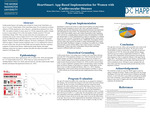
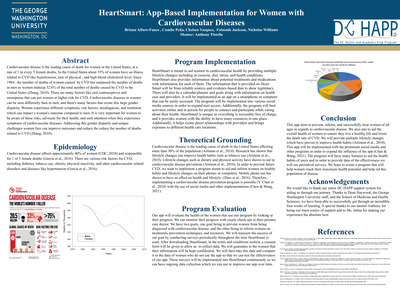
HeartSmart: App-Based Implementation for Women with Cardiovascular Diseases
Briana Alfaro-Funes, Camilo Peña, Chelsea Vasquez, Folasade Jackson, and Nicholas Williams
Cardiovascular disease is the leading cause of death for women in the United States, at a rate of 1 in every 5 female deaths. In the United States about 35% of women have an illness related to CVD like hypertension, lack of physical , and high blood cholesterol level. Since 1984, the number of deaths of women caused by CVD has surpassed the number of deaths in men as women makeup 52.6% of the total number of deaths caused by CVD in the United States (Zhang, 2010). There are many factors like oral contraceptives and menopause that can put women at higher risk for CVD. Cardiovascular diseases in women can be seen differently than in men, and there's many factors that create this large gender disparity. Women experience different symptoms, risk factors, misdiagnosis, and treatment which can impact a woman's outcome compared to men. It is very important for women to be aware of these risks, advocate for their health, and seek attention when they experience symptoms of cardiovascular diseases. Addressing this gender disparity and unique challenges women face can improve outcomes and reduce the reduce the number of deaths related to CVD (Zhang, 2010).
-
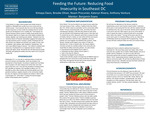
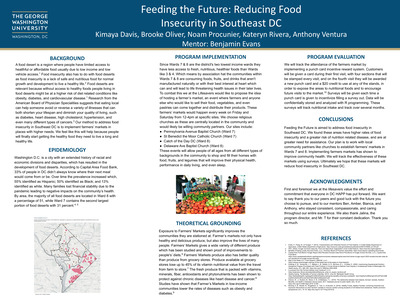
Feeding the Future: Reducing Food Insecurity in Southeast DC
Kimaya Davis, Brooke Oliver, Noam Procunier, Kateryn Rivera, and Anthony Ventura
A food desert is a region where people have limited access to healthful or affordable food usually due to low income and low vehicle access. Food insecurity also has to do with food deserts as food insecurity is a lack of safe and nutritious food for normal growth and development to live a healthy life. Food deserts are relevant because without access to healthy foods people living in food deserts might be at a higher risk of diet related conditions like obesity, diabetes, and cardiovascular disease. Research from the American Board of Physician Specialities suggests that eating local can help someone avoid or reverse a variety of illnesses that can both shorten your lifespan and diminish your quality of living, such as diabetes, heart disease, high cholesterol, hypertension, and even many different types of cancers. Our method to address food insecurity in Southeast DC is to implement farmers’ markets in places with higher needs. We feel like this will help because people will finally start getting the healthy food they need to live a long and healthy life.
-
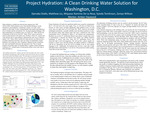
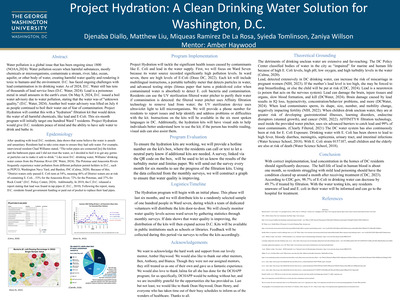
Project Hydration: A Clean Drinking Water Solution for Washington, D.C.
Djenaba Diallo, Matthew Liu, Miqueas Ramirez De La Rosa, Syieda Tomlinson, and Zaniya Willson
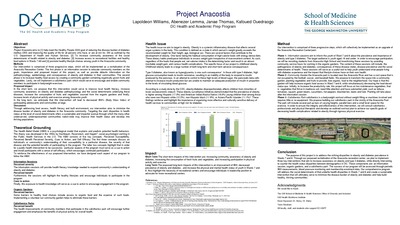
Water pollution is a global issue that has been ongoing since 1800 (NOAA,2024). Water pollution occurs when harmful substances, mostly chemicals or microorganisms, contaminate a stream, river, lake, ocean, aquifer, or other body of water, creating harmful water quality and rendering it toxic to humans and the environment. D.C. has faced ongoing challenges with lead contamination in its drinking water. As of 2024, D.C. Water still has tens of thousands of lead service lines (D.C. Water, 2024). Lead is a poisonous metal in small amounts in the earth's crust. On May 8, 2024, D.C. issued a boil water advisory due to water pollution, stating that the water was of "unknown quality," (D.C. Water, 2024). Another boil water advisory was lifted on July 4 as people continued to boil their water out of fear of contamination. Project Hydration will combat this with a "hydration" filtration kit that would detox the water of all harmful chemicals, like lead and E-Coli. This six-month program will initially target one hundred Ward 7 residents. Project Hydration would give D.C. residents peace of mind and the ability to have safe water to drink and bathe in.
-
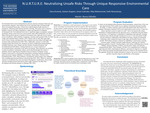
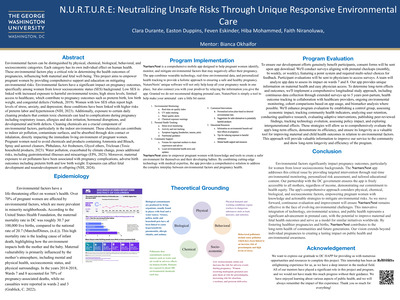
N.U.R.T.U.R.E: Neutralizing Unsafe Risks Through Unique Responsive Environmental Care
Clara Durante, Easton Duppins, Feven Eskinder, Hiba Mohammed, and Faith Niranoluwa
Environmental factors can be distinguished by physical, chemical, biological, behavioral, and socioeconomic categories. Each category has its own individual effect on human health. These environmental factors play a critical role in determining the health outcomes of pregnancies, influencing both maternal and fetal well-being. This project aims to empower pregnant women by providing comprehensive support and education on mitigating environmental risks. Environmental factors have a significant impact on pregnancy outcomes, specifically among women from lower socioeconomic status (SES) background. Low SES is linked with increased exposure to harmful environmental toxins, high stress levels, limited access to healthcare, which contribute to pregnancy outcomes such as preterm birth, low birth weight, and congenital defects (Verbeek, 2019). Women with low SES often report high levels of stress, anxiety, and depression; these conditions have been linked with higher risks of preterm labor and hypertension (NIH, 2023). Additionally, exposure to certain daily cleaning products that contain toxic chemicals can lead to complications during pregnancy including respiratory issues, allergies and skin irritation, hormonal disruptions, and developmental and birth defects. Cleaning chemicals are a crucial component of environmental factors, particularly in the indoor environment. These chemicals can contribute to indoor air pollution, contaminate surfaces, and be absorbed through skin contact or inhalation, directly impacting the immediate living environment of pregnant women. Pregnant women need to avoid chemicals and products containing Ammonia and Bleach, Spray and aerosol cleaners, Phthalates, Air fresheners, Glycol ethers, Triclosan (Toxic household products, 2023). Water pollution, exacerbated by climate change, poses additional risks, including gastrointestinal illnesses and miscarriage (EPA, 2023). Moreover, maternal exposure to air pollutants have been associated with pregnancy complications, adverse birth outcomes including preterm birth and low birth weight. Exposures can affect fetal development and neurodevelopment in offspring (NIH, 2024).
-
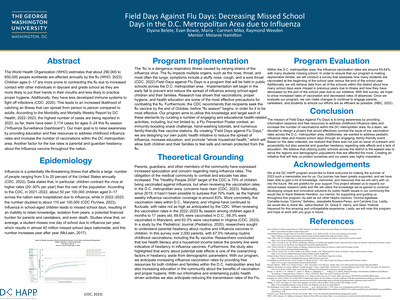
Field Days Against Flu Days: Decreasing Missed School Days in the D.C. Metropolitan Area due to Influenza
Elyana Belete, Evan Bowie, Maria - Carmen Miko, and Raymond Weeden
The World Health Organization (WHO) estimates that about 290,000 to 650,000 people worldwide are affected annually by the flu (WHO, 2023). Children ages 0–17 are more prone to contracting the flu due to increased contact with other individuals in daycare and grade school as they are more likely to put their hands in their mouths and less likely to practice proper hygiene. Additionally, they have less developed immune systems to fight off infections (CDC, 2020). This leads to an increased likelihood of catching an illness that can spread from person to person compared to adults. According to the Morbidity and Mortality Weekly Report by DC Health, 2022–2023, the highest number of cases are being reported in 2023; so far, there have been 3,174 cases for ages 0–24 this flu season (“Influenza Surveillance Dashboard”). Our main goal is to raise awareness by providing education and free resources to address childhood influenza rates and increase the number of vaccinations within the DC metropolitan area. Another factor for the low rates is parental and guardian hesitancy about the Influenza vaccine throughout the nation.
-
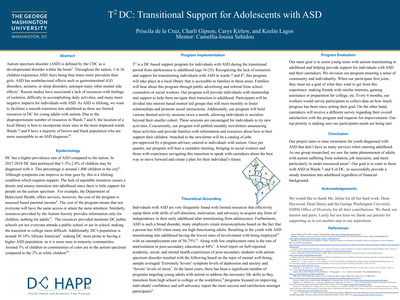
T2 DC: Transitional Support for Adolescents with ASD
Priscila de la Cruz, Charli Gipson, Carys Kirlew, and Keelin Lagos
Autism spectrum disorder (ASD) is defined by the CDC as a developmental disorder within the brain5. Throughout the nation, 1 in 36 children experience ASD, boys being four times more prevalent than girls. ASD has nonbehavioral effects such as gastrointestinal (GI) disorders, seizures, or sleep disorders, amongst many other mental side effects1. Recent studies have associated a lack of resources with feelings of isolation, difficulty in accomplishing daily activities, and many more negative impacts for individuals with ASD. As ASD is lifelong, we want to facilitate a smooth transition into adulthood as there are limited resources in DC for young adults with autism. Due to the disproportionate number of resources in Wards 7 and 8, the location of a local library is best to incorporate more sites in the most impacted wards. Wards 7 and 8 have a majority of brown and black population who are more susceptible to an ASD diagnosis.
-
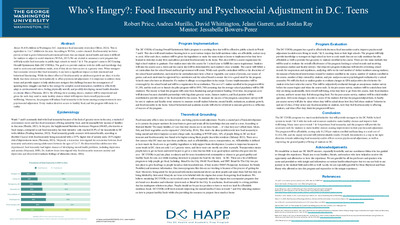
Who’s Hangry?: Food Insecurity and Psychosocial Adjustment in D.C. Teens
Robert Price, Andrea Murillo, David Whittington, Jelani Garrett, and Jordan Ray
About 19,430 children in Washington D.C. experience food insecurity every day (Oliver, 2022). This is equivalent to 1 in 7 children in the area. According to WUSA, a news channel; food insecurity has been proven to lead to grave behavioral and emotional issues that can impair mental health and make it difficult for students to adjust to social situations (WUSA, 2017).We are excited to announce a new program that will help tackle food insecurity in public high schools in wards 7 & 8. The program’s name is DC Creating Overall Optimism in Kids (DC COOKs). The goal is to provide students with the skills and knowledge they need to cook easy and nutritious meals, even if they do not have access to a grocery store. When teenagers face economic stressors like food insecurity, it can have a significant impact on their emotional and behavioral functioning. While the direct effects of food insecurity on adolescent growth are clear, it is also likely that these stressors work indirectly to affect psychosocial adjustment. It is important to address these issues and provide support to help adolescents navigate this challenge because the consequences of ignoring these struggles can lead to less energy for complex social interactions, inability to effectively adapt to environmental stress, feeling physically unwell, and possibly developing mental health disorders or chronic illness (Thomsen, 2021). By offering these cooking classes, students will be empowered and given the tools they need to make healthy choices which will improve their overall psychosocial well-being. Moreover, the program will reduce food insecurity in the home causing an improvement in teen psychosocial adjustment. Every student deserves access to healthy food, and this program will make it a reality.
-
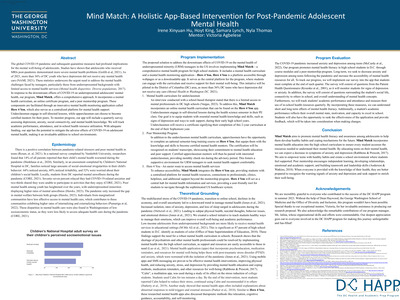
Mind Match: A Holistic App-Based Intervention for Post-Pandemic Adolescent Mental Health
Irene Xinyuan Hu, Hoyt King, Samara Lynch, and Nyla Thomas
The global COVID-19 pandemic and subsequent quarantine measures had profound implications for the mental well-being of adolescents. Studies have shown that adolescents who received MRIs post-pandemic demonstrated more severe mental health problems (Gotlib et al, 2021). As of 2021, more than 36% of DC youth who have depression did not receive any mental health care (NAMI, 2021). These statistics underscore the urgent need to address the mental health challenges faced by teenagers, particularly those from underrepresented backgrounds with limited access to mental health services (Mental health disparities: Diverse populations, 2017). In response to the downstream effects of COVID-19 on underrepresented adolescents' mental health, our program, Mind Match, offers a comprehensive approach. It incorporates a mental health curriculum, an online certificate program, and a peer mentorship program. These components are facilitated through an innovative mental health monitoring application called Here 4 You, which also serves as a centralized platform for mental health support. Underclassmen engage in self-directed lessons, while upperclassmen can choose to become certified mentors for their peers. To monitor progress, our app will include a quarterly survey assessing depression, anxiety, social connectivity, and mental health knowledge. We will track academic performance, attendance, and in-school health resource utilization. With adequate funding, our app has the potential to mitigate the adverse effects of COVID-19 on adolescent mental health, making it an invaluable addition to school environments.
-
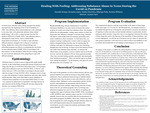
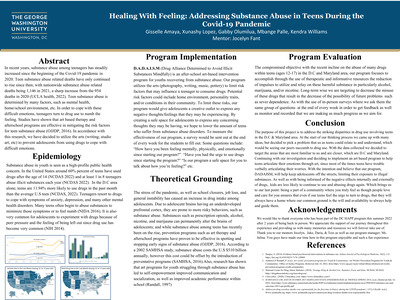
Healing With Feeling: Addressing Substance Abuse in Teens During the Covid-19 Pandemic
Gisselle Amaya, Xunashy Lopez, Gabby Olumilua, Mbange Palle, and Kendra Williams
In recent years, substance abuse among teenagers has steadily increased since the beginning of the Covid-19 pandemic in 2020. Teen substance abuse related deaths have only continued to rise since then; with nationwide substance abuse related deaths being 1,146 in 2021, a sharp increase from the 954 deaths in 2020 (UCLA health, 2022). Teen substance abuse is determined by many factors, such as mental health, home/school environment, etc. In order to cope with these difficult emotions, teenagers turn to drug use to numb the feeling. Studies have shown that art based therapy and afterschool programs are effective in mitigating the risk factors for teen substance abuse (OJJDP, 2016). In accordance with this research, we have decided to utilize the arts (writing, studio art, etc) to prevent adolescents from using drugs to cope with difficult emotions.
-
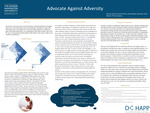
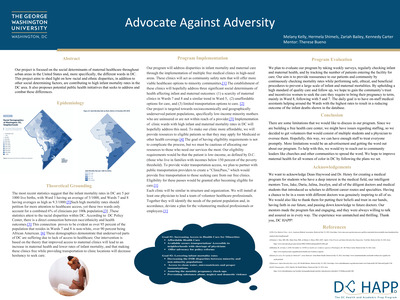
Advocate Against Adversity
Melany Kelly, Hermela Shimels, Zariah Bailey, and Kennedy Carter
Our project is focused on the social determinants of maternal healthcare throughout urban areas in the United States and, more specifically, the different wards in DC. This project aims to shed light on how racial and ethnic disparities, in addition to other social determining factors, are contributing to high infant mortality rates in the DC area. It also proposes potential public health initiatives that seeks to address and combat these differences.
-
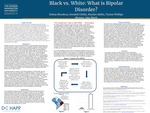
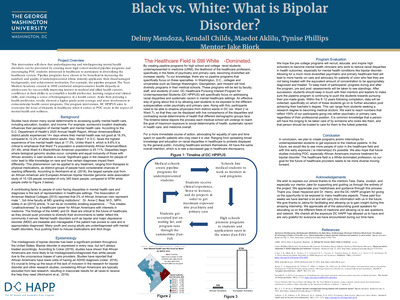
Black vs. White: What is Bipolar Disorder?
Delmy Mendoza, Kendall Childs, Maedot Aklilu, and Tynise Phillips
This intervention will show that underdiagnosing and misdiagnosing mental health disorders can be prevented by creating more high school medical pipeline programs and encouraging POC students interested in healthcare to participate in diversifying the healthcare system. Pipeline programs have shown to be beneficial in increasing the numbers and quality of underrepresented ethnic minority applicants from disadvantaged backgrounds, and achievement motivation. For example, the pipeline program The Teen Medical Academy created in 2008 combated unrepresentative health disparity in adolescents by successfully improving interest in medical and allied health careers, confidence in their ability to accomplish a health profession, learning surgical and clinical skills, and creating a sense of belongingness in a health career. Aside from pursuing a health profession, results showed a higher grade point average and more involvement in extracurricular health career programs. Our program intervention, DC HPIPUS aims to overcome the issue of disparity in healthcare when it comes to POC teens in the aspect of mental health and wellness.
-
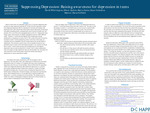
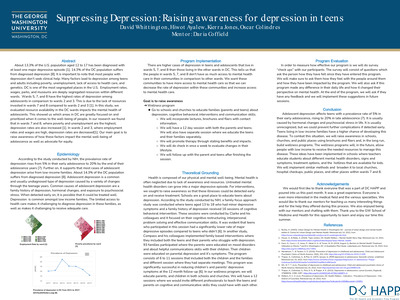
Suppressing Depression: Raising awareness for depression in teens
David Whittington, Hiwot Ayalew, Kierra Jones, and Oscar Colindres
About 13.3% of the U.S. population aged 12 to 17 has been diagnosed with at least one major depressive episode [1]. 14.3% of the DC population suffers from diagnosed depression [8]. It is important to note that most people with depression don’t seek clinical help. Many factors lead to depression among teens and adults including poverty, unemployment, lack of access to health care, and genetics. DC is one of the most segregated places in the U.S. Employment rates, wages, parks, and museums are deeply segregated resources within different wards. Wards 5, 7, and 8 have the highest rates of depression among adolescents in comparison to wards 2 and 3. This is due to the lack of resources invested in wards 7 and 8 compared to wards 2 and 3 [1]. In this study, we evaluated resource availability in the DC wards impacts the mental health of adolescents. This showed us which areas in DC are greatly focused on and prioritized when it comes to the well-being of people. In our research we found that in wards 7 and 8, where poverty and unemployment are the highest, depression rates are also increased [1]. In wards 2 and 3, where employment rates and wages are high, depression rates are decreased[1]. Our main goal is to raise awareness of how these factors impact the mental well-being of adolescence as well as advocate for equity.
-
Community Health Project: Addressing Obesity during Covid-19
Jaliyah Abdul-Haqq, Ezinne Anyanwu, Zaniyah Bailey, and LaChae Jones
Obesity is commonly known to affect 27% of adults in the United States (Wadden et al., 2002). The medical condition is the result of not eating healthy, little to no exercise, genetics, medication and other factors (Cava et al., 2017). If adults that are obese do not treat the medical condition then there will be long term problems such as diabetes and cancer (Cava et al., 2017). “ In Seattle, a study of critically sick COVID-19 patients made comparative discoveries. This examination found that 85% of patients with obesity required mechanical ventilation, compared to 64% of patients without the condition. Additionally, 62% of the patients with obesity died of COVID-19, compared with 36% of those without obesity ” (Stefan et al., 2020). To combat that issue the purpose of our program is to provide a way to lose weight and become healthy while in a pandemic and staying safe at home.
-
COVID-19 Racial Disparities
Christopher Brown, Hadara Sain, Karen Larios, and Nida Shah
A pandemic has taken over the world. Many countries, including the U.S., have experienced a large mortality rate because COVID-19 is a danger to many people. The U.S. has experienced massive changes in society in order to protect people because everyone is at risk. However, COVID-19 poses a larger threat to minorities than most other people in the United States.
Our community health project will provide solutions to both of these problems.
First, our team will work with news stations to disseminate the statistics that minorities are more likely to catch and die from the virus. Once the problem is clear to minorities, they will look for solutions. Our team will then provide our “Virus Diet” which will decrease the likelihood of dying from the virus. The “Virus Diet” will provide the information that using things like alcohol, tobacco, and drugs are detrimental to your chances of beating the virus if you were to catch it. Then we will begin our “Stay Home, Stay Safe” program which will provide stay at home jobs to substitute service sector jobs in order to limit the risk of catching and spreading the virus.
-
Homeless Medical Assistance Program (HMAP)
Alaya Chubb, Iris Reyes, Medisa Roghani, and Kristen Silas
As stay-at-home orders sweep across the United States, not everyone can adhere. People affected by homelessness struggle to find a place to remain healthy and invulnerable to a rising pandemic. The District of Columbia’s homeless population rises to 6,500 people and poses the most risk for COVID-19 because of the lack of resources available in the city, preexisting health conditions, and substance dependency. Some homeless people with a respiratory condition face a greater likelihood of developing a severe reaction from COVID-19 (Vredevoe, 1992). Furthermore, the homeless population tends to face a mortality rate from five to ten times higher than the general public (Roncarti, 2018). In order to combat these possibilities, we propose a pilot program focusing on providing necessary assistance to vulnerable populations from the ages 35 to 65. Our program, Homeless Medical Assistance Program (HMAP), aims to reduce the number of COVID-19 cases by placing homeless individuals in stadiums with adequate distance, administering food without direct contact, and proving mental healthcare.
-
D.C.S.O Community Health Proposal Against COVID-19 - Public School System
Dawit Teshome, Abenezer Abebe, Emy Nwadiaro, and Kenndi Curtis
D.C. is a community with a rich culture that’s extremely sundry and diversified. When the COVID-19 epidemic hit, all of us were stopped in our tracks. It affected our everyday lives. However we never asked the question, is there an epidemic taking place right in our own community. Asthma influences almost 1 out of every 10 kids. It is a widely known and exceptionally treatable malady (McDade, 2014). To ensure that students with asthma get adequate care during the school year and to combate the threat of COVID-19 during the year, we propose the following:
-
To equip either classrooms or floors, especially for kids with asthma, with air purifiers that are going to circulate clean air so that they do not have any triggers like smells or mold
-
Plan to make a questionnaire that every student has to answer before entering the school in the morning to help know of COVID-19 exposure and students with asthma.
-
Train D.C. public schools teachers with C Diff cleaning procedures.
-
After school programming that provides students with masks, soap, and hand sanitizers to take home.
-
-
Gonorrhea and High School Dropout Rates: Sister-Sister Mentoring Program
Natalie Ardon, Steven Guo, J'adore Loftin, and Christine Maone
The increasing incidence rates of Gonorrhea has been a particularly important issue in the District of Columbia. The population most greatly affected by gonorrhea include sexually active African American teenagers aged 15-19 years old. If left untreated, Gonorrhea can cause serious and permanent health problems including pelvic inflammatory disease, eye pain and uncontrolled discharge. Therefore, efforts to reduce incidence rates of gonorrhea should be focused on prevention rather than treatment. Focusing our efforts solely on education has proved to have limited success on reducing risky sexual behaviour within teens. Instead, our Sister-Sister mentoring program, focuses on improving school attendance and involvement. High school dropouts, particularly females, are more likely to contract STIs due to the lower human capital, more time and opportunity for risky behaviour, and the change in the social circles of the teens. Sister-Sister aims to reduce the incidence rates of gonorrhea within 15-19 year old female high school students by implementing a mentoring program housed at Roosevelt STAY High School. This program will encourage responsibility to the school, build relationships, and increase school involvement in order to reduce dropout and gonorrhea incidence rates.