DC Health and Academic Prep Program (DC HAPP)
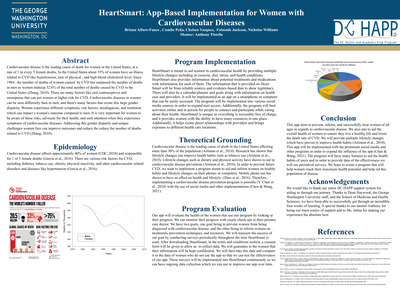
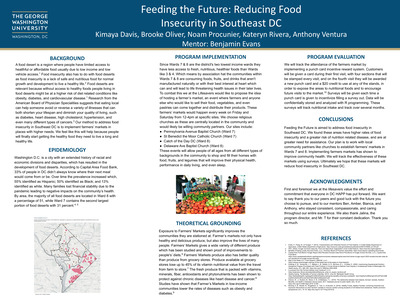
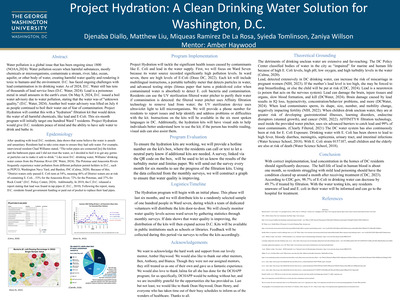
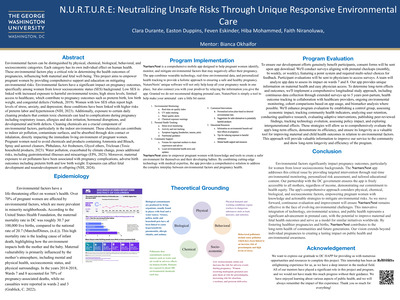
DC HAPP is a pipeline program coordinated by the George Washington University School of Medicine and Health Sciences Office of Diversity and Inclusion to increase access to healthcare careers and foster diversity in the medical field. Sixteen rising 11th- and 12th-grade students attending Washington, D.C. area public schools are selected to participate in this program based on their passion and potential for medicine. Students participate in a four-week summer experience and clinical shadowing.
DC HAPP scholars gain exposure to healthcare professions, learn hands-on medical skills, develop public health projects, and prepare for college applications and college life. Medical and public health students, physicians, and other medical professionals serve as mentors, facilitators, and teachers.
-
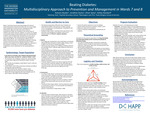
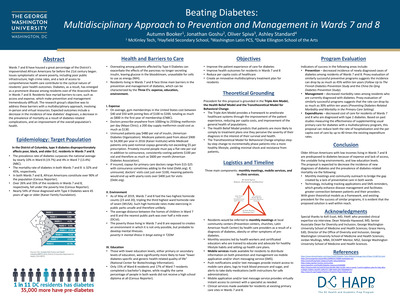
Beating Diabetes: Multidisciplinary Approach to Prevention and Management in Wards 7 and 8
Autumn Booker, Jonathan Goshu, Oliver Spiva, and Ashley Standard
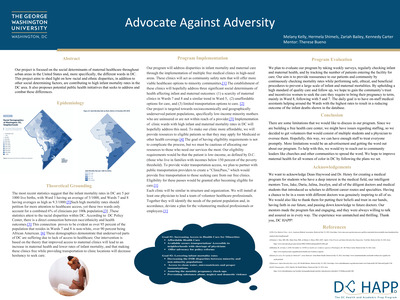
Wards 7 and 8 have housed a great percentage of the District’s impoverished African Americans far before the 21st century began. Issues symptomatic of severe poverty, including poor public infrastructure, high crime rates, and a lack of access to comprehensive health care contribute to the cyclical nature of residents’ poor health outcomes. Diabetes, as a result, has emerged as a prominent disease among residents east of the Anacostia River in Wards 7 and 8. Residents face myriad barriers to care, such as access and expense, which make prevention and management tremendously difficult. The research group’s objective was to address these barriers with a multidisciplinary approach, involving in-person and virtual resources. Expected outcomes include a decrease in the incidence of new diabetes’ diagnoses, a decrease in the prevalence of mortality as a result of diabetes-related complications, and an improvement of the overall population’s health.
-
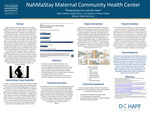
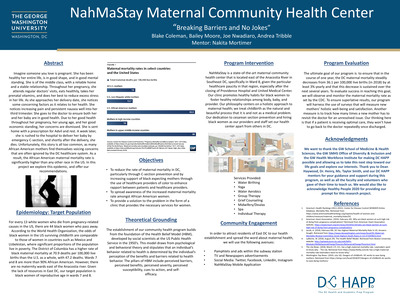
NahMaStay Maternal Community Health Center: "Breaking Barrier and No Jokes"
Blake Coleman, Bailey Moore, Joe Nwadiaro, and Andrea Tribble
Imagine someone you love is pregnant. She has been healthy her entire life, is in good shape, and in good mental standing. She is of the middle class, with a reliable home and a stable relationship. Throughout her pregnancy, she attends regular doctors’ visits, eats healthily, takes her prenatal vitamins, and does her best to reduce excess stress in her life. As she approaches her delivery date, she notices some concerning factors as it relates to her health. She notices increasing pain and persistent nausea well into her third trimester. She goes to the doctor to ensure both her and her baby are in good health. Due to her good health throughout her pregnancy, her young age, and her good economic standing, her concerns are dismissed. She is sent home with a prescription for Advil and rest. A week later, she is rushed to the hospital to deliver her baby by emergency C-section, and shortly after the delivery, she dies. Unfortunately, this story is all too common, as many African American mothers find themselves voicing concerns that are often ignored by the DC healthcare system. As a result, the African American maternal mortality rate is significantly higher than any other race in the US. In this project we explore this epidemic, and offer our recommendations.
-
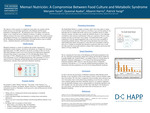
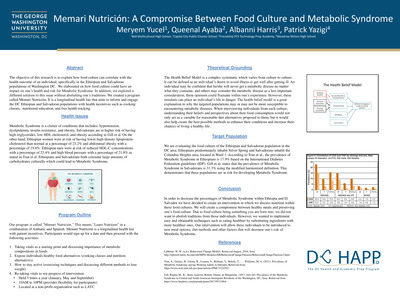
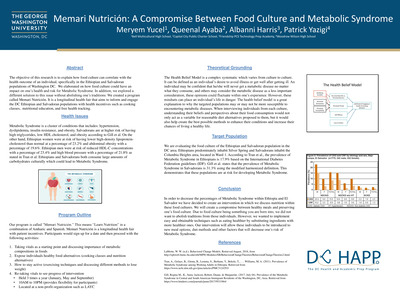
Memari Nutrición: A Compromise Between Food Culture and Metabolic Syndrome
Meryem Yucel, Queenal Ayaba, Albanni Harris, and Patrick Yazigi
The objective of this research is to explain how food culture can correlate with the health outcome of an individual, specifically in the Ethiopian and Salvadoran populations of Washington DC. We elaborated on how food culture could have an impact on one’s health and risk for Metabolic Syndrome. In addition, we explored a different solution to this issue without abolishing one’s traditions. We created a program called Memari Nutrición. It is a longitudinal health fair that aims to inform and engage the DC Ethiopian and Salvadoran populations with health incentives such as cooking classes, nutritional education, and free health tracking.
-
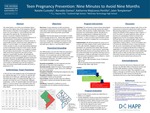
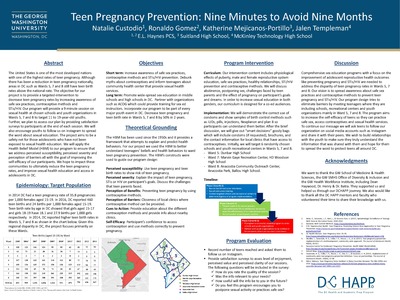
Teen Pregnancy Prevention: Nine Minutes to Avoid Nine Months
Natalie Custodio, Ronaldo Gomez, Katherine Mejicanos-Portillo, and Jalen Templeman
The United States is one of the most developed nations with one of the highest rates of teen pregnancy. Although there has been a reduction in teen pregnancy nationally, areas in DC such as Wards 5, 7 and 8 still have teen birth rates above the national rate. The objective for our project is to provide a targeted-intervention to decrease teen pregnancy rates by increasing awareness of safe sex practices, contraceptive methods and STIs/HIV. Our program will provide a 9-minute session on sexual health at chosen schools and youth organizations in Wards 5, 7 and 8 to target 11 to 19-year-old youths. Further, we plan to assess our plan by providing satisfaction surveys to participants at the end of each session. We will also encourage youths to follow us on Instagram to spread the word about sexual education. The project aims to be a safety net for those adolescents who have not been exposed to sexual health education. We will apply the Health Belief Model (HBM) to our program to ensure that we address perceived susceptibility, perceived severity and perception of barriers all with the goal of improving the self-efficacy of our participants. We hope to impact these communities to ultimately reduce the teen pregnancy rates, and improve sexual health education and access in adolescents in DC.
-
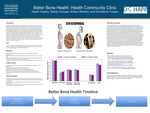
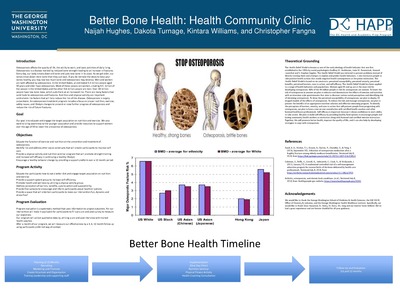
Better Bone Health: Health Community Clinic
Naijah Hughes, Dakota Turnage, Kintara Williams, and Christopher Fangna
Osteoporosis affects the quality of life, the ability to work, and basic activities of daily living. Osteoporosis is a disease marked by reduced bone strength leading to an increase in fractures. Every day, our body breaks down old bone and puts new bone in its place. As we get older, our bones break down more bone than they put back. If you do not take the steps to keep your bones healthy, you may lose too much bone and osteoporosis may develop. Men and women are both affected by osteoporosis. In the United States, an estimated 5.3 million people aged 50 years and older have osteoporosis. Most of these people are women, creating 4.5 million of the people in the United States and the other 0.8 million people are men. Over 34 million people have low bone mass, which puts them at an increased risk. There are many factors that contribute to osteoporosis and fractures. Nutrition and physical activity are important controllable risk factors that will help reduce the risk of the disease. Osteoporosis is largely preventable. An osteoporosis treatment program includes a focus on proper nutrition, exercise, safety issues, and lifestyle changes to prevent or slow further progress of osteoporosis and reduce the risk of future fractures.
-
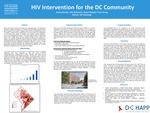
HIV Intervention for the DC Community
Evelyn Rosales, Elias Belhocine, Daniel Ndagha, and Tiana Young
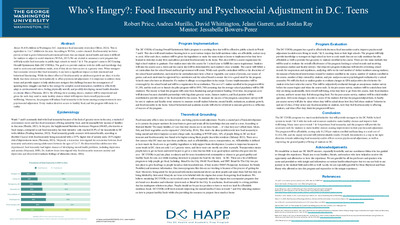
Before the 1980s, the world had little to no knowledge about HIV. Now there has been research conducted on HIV/AIDs that has helped people prevent and be aware of their status. However, there is still an increasing amount of HIV cases in adults (18-34), especially in DC communities. Such disparities in HIV cases occur based on people’s race, gender, sexual orientation, income and geographical location. The social determinants of health also play a role in these cases such as poverty, access to care, stigma and racism. Our program will tackle these issues by providing an emphasis on existing programs by making counseling, screening, condoms, and HIV tests accessible to everyone especially to residents in Wards 5, 7, and 8. This will all be done via various platforms like Instagram and Facebook. Also, using aesthetically pleasing pamphlets that will portray information on HIV and strategies to prevent any new HIV cases from arising.
-
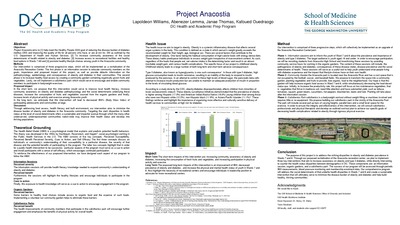
Project Anacostia
Lapoldeon Williams, Abenezer Lemma, Janae Thomas, and Kafoued Ouedraogo
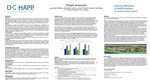
Objectives Project Anacostia aims to [1] help meet the Healthy People 2020 goal of reducing the disease burden of diabetes mellitus (DM) and improving the quality of life for all persons who have, or are at risk for, DM as outlined by the U.S. Department of Health and Human Services. [2] To increase community awareness of the social determinants of health related to obesity and diabetes. [3] Increase access to recreational facilities and healthy food options in Wards 7 &8 and [4] promote healthy lifestyle choices among youth in the Anacostia community.
Methods Our intervention is comprised of three progressive steps, which will be implemented as a revitalization of the Anacostia Recreation Center. The first phase is an information session to educate community members on the goals, importance and proposed impact of this project, as well as provide didactic information on the pathophysiology, epidemiology and consequences of obesity and diabetes in their communities. The second phase is to increase healthy food access by creating a community garden containing organically grown fruits and vegetables. Lastly, we will implement a calisthenics park which would serve to encourage and enable community members to participate in bodyweight exercises . Proposed Impact In the short term, we propose that this intervention would serve to improve local health literacy, increase community awareness on obesity and diabetes pathophysiology and the social determinants underlying these diseases, increase the consumption of fruits and vegetables sourced from the organic gardens and finally, increase levels of physical activity and exercise among Anacostia youth. In the long term, we anticipate that this intervention will lead to decreased BMI’s (Body Mass Index) of participating adolescents and communities at large.
Discussion Through addressing food access, health literacy and built environment, our intervention aims to minimize the disease burden of obesity and diabetes in the Anacostia community. Targeting the stark disparities in health status at the level of social determinants offers a sustainable and impactful avenue through which the many other underserved, underrepresented communities nation-wide may improve their health status and develop into thriving populations.
-
Reducing Mental Illness in DC Adolescents
Chidi Anita, Cindy Kabore, Ezechinyere Njoku, and Sabrina Sanabria-Lawrence
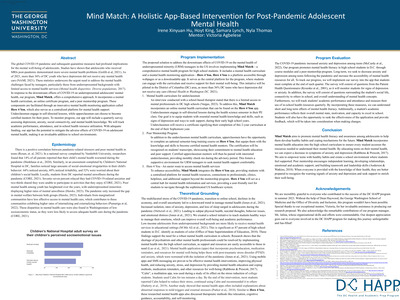
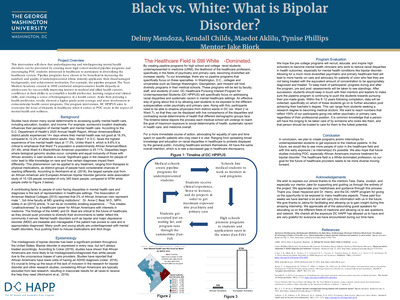
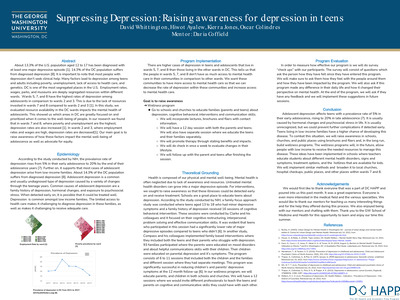
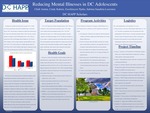
DC high school students and adolescents from ages 12 to 17 suffer more from mental illnesses than adults and children ages 12 and under (Putzer, 2016). The prevalence of depression in high school adolescents in DC is above the (nationwide) baseline (Putzer, 2016). The rate of suicide attempts in teenagers in the DC Metropolitan area is 13.4%, which is a decrease from 2015, but still higher than the baseline by 3.0% (Putzer, 2016). Similarly, the rate of major depressive episodes (MDEs) in teens local to DC is 7.4%, which continues to be higher than the baseline by 0.9% (Putzer, 2016). The DC Healthy People target for adolescent suicide rates is 5.0%, and the target rate for MDE’s is 5.8% (Putzer, 2016).
-
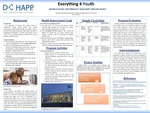
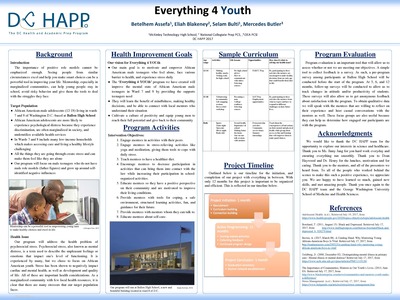
Everything 4 Youth
Betelhem Assefa, Eliah Blakeney, Selam Bulti, and Mercedes Butler
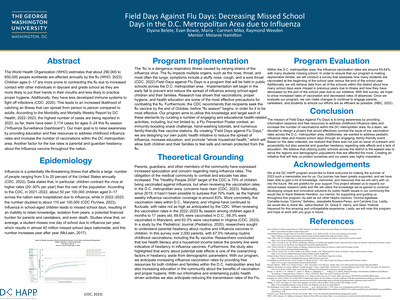
The importance of positive role models cannot be emphasized enough. Seeing people from similar circumstances excel and help you make smart choices can be a powerful tool in improving your life. Mentorship, especially in marginalized communities, can help young people stay in school, avoid risky behavior and give them the tools to deal with the struggles they face.
-
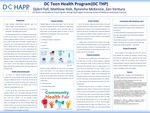
DC Teen Health Program (DC THP)
Djibril Fall, Matthew Holt, Ryneisha McKenzie, and Zari Ventura
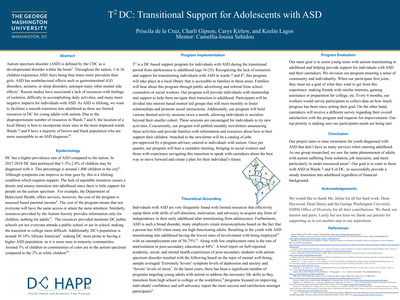
Target Population: African-American adolescents aged 13-20 residing in Wards 7 and 8 of Washington, DC. ● Health Issue: Lack of access to health care such as, health literacy, transportation, and available health resources. The health disparity/issue that we are targeting is the lack of access to health care within Wards 7 & 8 that is specifically aimed at African American adolescents between the ages of 13-20 years of age. The lack of access to health care in these wards is important because it increases the risk of youth having long term health issues such as asthma or obesity, which can lead to hypertension and diabetes. This is imperative because the future of our youth is determined by their ability to see a provider and obtain the necessary preventive care. This health disparity affects many in the community because the majority of them are impacted with higher rates of death and more emergency department visits that could have been prevented with more access to healthcare providers. In order to effectively increase access to health care in Wards 7 & 8, we have created an interactive program that targets areas with little transportation, fewer clinics and creates a very accessible service.
-
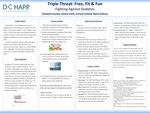
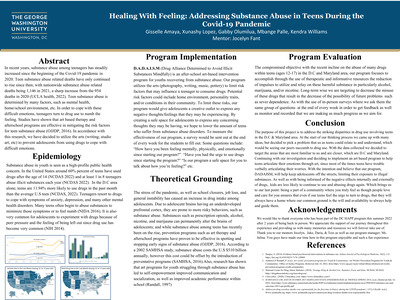
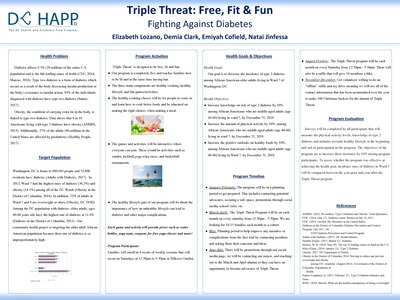
Triple Threat: Free, Fit and Fun. Fighting Against Diabetes
Elizabeth Lozano, Demia Clark, Emiyah Cofield, and Natai Jinfessa
Diabetes affects 9.3% (29 million) of the entire U.S. population and is the 6th leading cause of death (CDC, 2014, Marcus, 2016). Type two diabetes is a form of diabetes which occurs as a result of the body decreasing insulin production or the body’s resistance to insulin action. 95% of the individuals diagnosed with diabetes have type two diabetes (Santos, 2017). Obesity, the condition of carrying extra fat in the body, is linked to type two diabetes. Data shows that 9 in 10 Americans living with type 2 diabetes have obesity (ASMBS, 2013). Additionally, 27% of the adults (86 million) in the United States are affected by prediabetes (Healthy People, 2017).